
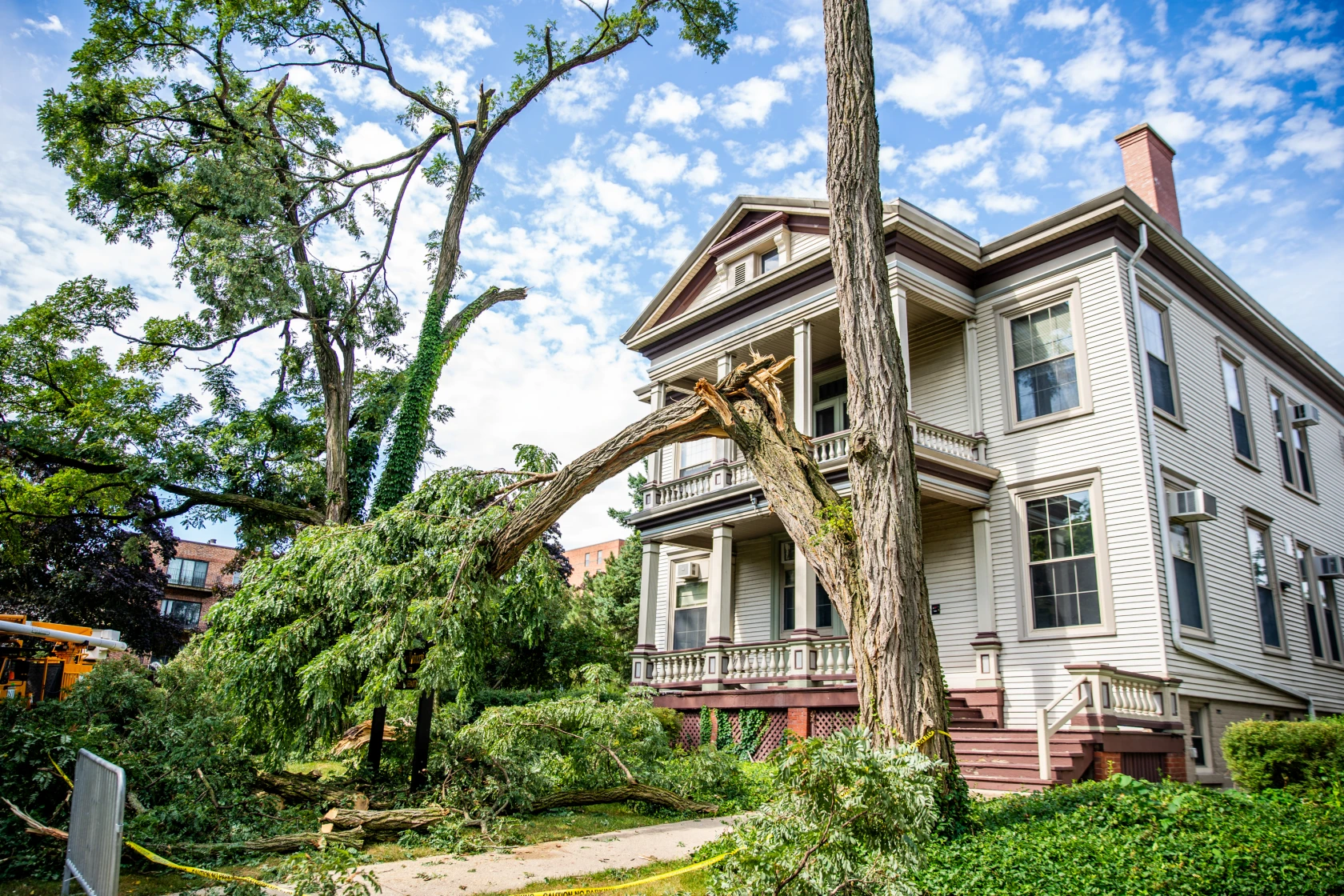
Imagine waking up in a frozen student apartment, with no heat, no Wi-Fi, no way to charge your phone, and temperatures plummeting to -20°C outside. This was the reality for thousands of young people in Evanston, Illinois, in 2024, when a brutal winter storm tore through the American Midwest, triggering a historic, multi-day power outage. The crisis, which left over 10,000 households and Northwestern University campus buildings in the dark, was more than an inconvenience—it was a life-threatening emergency that exposed how unprepared many young people are for widespread power failures. For youth around the world, the Evanston blackout offers hard-won lessons on staying safe, supporting your community, and building resilience when the lights go out.
What the Evanston Blackout Taught Us About Outage Risks
The Evanston outage was not an isolated incident. Driven by heavy snow, hurricane-force winds, and aging power infrastructure, the collapse of the local grid left residents without electricity for up to 72 hours in life-threatening cold. For the city’s large student and young renter population, the crisis laid bare four harsh truths about modern power outage risks:
- Extreme weather is the new top threat: Climate change is making winter storms, heatwaves, and hurricanes more intense and frequent, and these events are the leading cause of large-scale blackouts. The same conditions that caused the Evanston outage are becoming more common worldwide.
- Youth are uniquely underprepared: Most Northwestern students living off-campus had no emergency supplies, no knowledge of local warming shelters, and no plan for a multi-day outage. Many risked carbon monoxide poisoning by using portable grills and gas stoves indoors to stay warm, a top killer during winter blackouts.
- Digital dependency is a critical vulnerability: When cell towers and internet went down, young people lost access to navigation, emergency alerts, food delivery, and even basic contact information for friends and neighbors. Many were stranded without offline plans or backup communication tools.
- Community action fills gaps faster than official aid: While city and university emergency teams were overwhelmed, Northwestern students stepped up immediately. They created social media mutual aid groups, opened dorm rooms with backup power as warming shelters, and shared food, power banks, and warm clothing with hundreds of stranded peers. Youth-led action was the difference between crisis and survival for many.
The Youth Action Plan: Navigate a Widespread Blackout
The Evanston blackout proves that preparedness is not just for “preppers”—it is a life skill for every young person, whether you live in a college dorm, a shared apartment, or your first rental home. Below is a simple, actionable guide split into three phases, tailored to the realities of young adult life.
Build Your 72-Hour Resilience Kit
A compact, affordable emergency kit can fit in a dorm closet or under your bed, and it will keep you safe if the power goes out. Focus on these non-negotiables:
- Water and food: 1 liter of water per person per day (minimum 3 days), and non-perishable, no-cook foods like energy bars, nuts, and canned goods. Skip fancy supplies—stick to what you will actually eat.
- Power and light: A hand-crank or battery-powered flashlight, extra batteries, and a fully charged portable power bank (keep it topped off year-round). A battery-powered radio is also critical for emergency alerts when cell service fails.
- Warmth and safety: Hand warmers, a thermal blanket, a basic first-aid kit, and a printed list of emergency contacts (local fire department, property manager, campus security) and offline maps of your neighborhood.
- Critical knowledge: Learn where your apartment or dorm’s circuit breaker is, locate the nearest official warming shelter, and memorize the number one rule of winter outages: never use gas stoves, charcoal grills, or portable generators indoors—they cause fatal carbon monoxide poisoning in minutes.
During the Outage: Stay Safe, Stay Connected
If the power goes out, your first priority is protecting your health and safety. Follow these rules, honed from the Evanston crisis:
- Preserve heat first: In cold weather, hypothermia is the biggest risk. Close off unused rooms, stuff towels under door and window cracks to trap heat, and layer up with blankets and warm clothing. Only go outside if absolutely necessary.
- Manage food and power wisely: Keep your fridge and freezer closed as much as possible—refrigerated food stays safe for 4 hours, frozen food for 48 hours in a full freezer. Use your power bank only for essential devices, like a phone for emergency calls.
- Join mutual aid networks: Like the Evanston students, look for local youth-led mutual aid groups on social media or campus forums. Share extra supplies, information about open shelters, and check in on neighbors, especially vulnerable people like elderly residents or those with disabilities.
- Avoid scams and risks: Blackouts bring out price gouging, fake repair scams, and misinformation. Only trust alerts from official government or university sources, never let strangers into your home, and avoid clicking on unknown links promising emergency aid.
After the Power Returns: Build Long-Term Resilience
The end of the blackout is not the end of your work. The Evanston crisis showed that young people can turn a disaster into lasting change:
- Do a safety check first: When power is restored, inspect your home for frozen/burst pipes and water-damaged electronics. Do not plug in all your devices at once, as this can overload circuits and cause fires.
- Update your emergency plan: Write down what worked and what didn’t during the outage. Did you run out of battery? Did you not know where the nearest shelter was? Upgrade your kit and plan to fix these gaps.
- Share what you learned: Post your takeaways on social media, host a dorm or apartment building workshop on emergency prep, or teach your friends how to build their own resilience kits. Misinformation and lack of knowledge are the biggest barriers to youth preparedness—you can fix that.
Collaborative Action Between Students and Schools for Long-Term Resilience
The Evanston blackout highlighted that meaningful, lasting change to power outage resilience comes from intentional, collaborative partnership between students and school communities.
In the wake of the 2024 crisis, Northwestern University and its student body worked hand-in-hand to turn lessons from the outage into tangible, campus-wide improvements that benefit every member of the community. Students brought critical on-the-ground insights from the crisis—including gaps in real-time emergency communication, lack of reliable backup power in off-campus housing, and the need for more accessible warming shelters—sharing their lived experiences through student government, open campus forums, and dedicated joint working groups with university administration. In turn, the university centered student voices in every step of its updated response: it rolled out refined campus emergency protocols co-designed with student leaders, installed robust backup power systems in all on-campus and affiliated off-campus student housing, and integrated mandatory, student-focused emergency preparedness training into new student orientation. Together, students and the university established peer-led emergency response teams, where trained student volunteers work alongside campus safety staff to support peers during outages, share trusted real-time updates through student-led communication channels, and conduct wellness checks on vulnerable community members including international students and those with accessibility needs.
This collaborative model does not just strengthen the campus’s ability to weather future power outages—it builds a culture of shared responsibility, where students are active, valued partners in creating a safe, resilient campus environment, and schools leverage student insight to make emergency planning more inclusive, responsive, and effective for the entire community.


Leave a Reply